Best Iptv Services
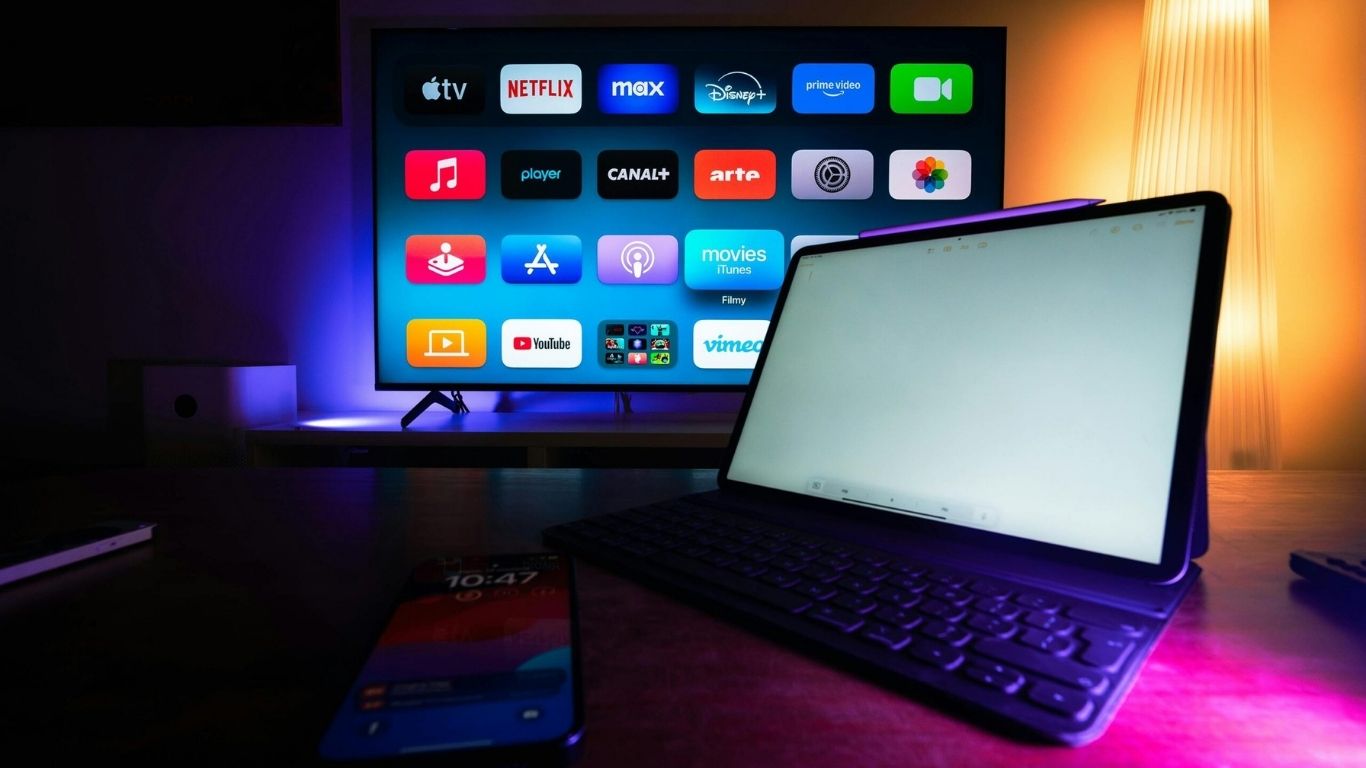
The world of home entertainment has changed a lot with Internet Protocol Television (IPTV). This new technology has moved us from old analog TV to the digital age. It brings many new options for viewers in the United Kingdom.
IPTV’s journey has been amazing, with big steps forward in tech, content, and how we watch TV. We’ll look at how IPTV has changed home entertainment. It gives viewers more control, flexibility, and access than ever before.
Key Takeaways
- The evolution of IPTV from analog to digital broadcasting has revolutionised home entertainment in the UK.
- IPTV offers a seamless and personalised viewing experience, with a vast array of content and interactive features.
- The transition to digital broadcasting has brought about significant advancements in picture quality, content delivery, and user interactivity.
- The expansion of high-speed internet and the emergence of streaming technologies have played a crucial role in the rise of IPTV.
- Regulatory frameworks and the involvement of industry leaders have shaped the development and adoption of IPTV in the UK market.
Introduction to IPTV
Internet Protocol Television (IPTV) is changing how we watch TV. It’s leading the way to a more connected digital world. IPTV offers many benefits over old TV ways.
What is IPTV?
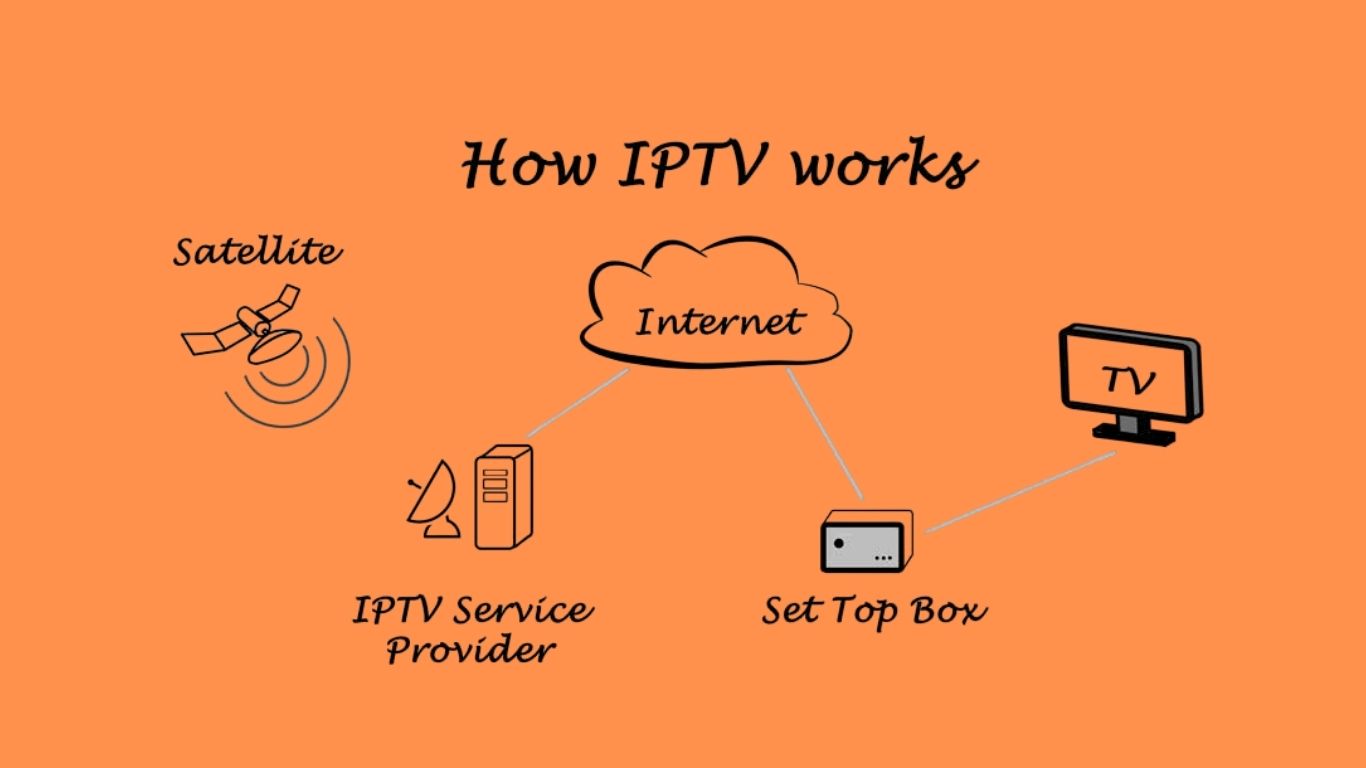
IPTV sends TV shows over the internet, not through old TV methods. It lets users watch a lot of content whenever they want. This uses the internet’s power and flexibility.
How IPTV Differs from Traditional Broadcast
- IPTV uses the internet to send video and audio, unlike traditional TV which uses airwaves or cable.
- IPTV has more content available on demand, so users can watch what they want when they want. Traditional TV has set schedules.
- IPTV includes features like video-on-demand, personalized suggestions, and the ability to pause or rewind live TV. This makes watching TV better.
- IPTV uses the latest internet tech for better quality and a smoother viewing experience.
IPTV is making TV more dynamic and personal. It’s changing the TV industry for viewers all over the world.
The Early Days of Television
The history of television is a captivating story. It shows how it evolved from radio to cable technology. This change led to IPTV, a big leap in how we watch media.
Transition from Radio to Television
In the early days, television slowly moved from radio. The 1920s saw the start of mechanical TV systems. These were the first steps towards the electronic TVs we know today.
John Logie Baird showed the first electronic TV in the UK in 1926. This was the beginning of a new era in visual entertainment.
Introduction of Cable Television
Cable TV came in the 1940s. It was a response to the problems of traditional TV signals. It offered better reception and more channels, making way for IPTV’s interactive features.
The journey from radio to TV and then to cable has shaped IPTV. These tech leaps have changed how we watch and interact with media. They paved the way for IPTV’s digital revolution.
The Rise of Digital Broadcasting
In the early 2000s, the UK TV industry saw a big change with IPTV transformation. This move from old to new technology brought lots of IPTV innovations. These changes made watching TV much better for everyone.
Advantages of Digital Over Analog
Digital broadcasting had many good points for viewers and TV stations. Digital signals gave better pictures and sound, without the static of old TV. It also meant more channels and shows for everyone to enjoy.
Also, digital TV allowed for new features like watching shows when you want. People could easily find and watch their favourite shows and movies whenever they liked.
The Digital Revolution in the UK
The UK was at the forefront of the IPTV transformation. Starting in 2005, the country moved from old to new TV. This change made TV better for everyone.
- The Freeview platform, launched in 2002, helped lead the digital change. It gave free digital TV channels to many homes.
- Satellite and cable services like Sky and Virgin Media also joined the digital age. They offered better TV experiences to their customers.
- More people got digital TVs and boxes. This helped bring in the IPTV innovations that changed UK TV.
The digital change in the UK made TV more varied, interactive, and advanced. It set the stage for more IPTV growth and the future of TV.
The Birth of IPTV
The way we watch TV in the United Kingdom has changed a lot with the rise of Internet Protocol Television. This new tech has made watching TV more personal and flexible. It has changed TV forever, starting with the early days of IPTV.
Definition and Concept
IPTV, or Internet Protocol Television, brings TV to your internet connection instead of traditional TV or cable. It lets you watch live TV, catch up on shows, and enjoy interactive features easily.
Key Players in Early IPTV Development
At the start, companies like Microsoft and telecoms like BT and Sky led the way. Microsoft launched its IPTV platform in the early 2000s, and BT and Sky started IPTV services in UK homes. They saw IPTV’s potential and helped it grow, creating the IPTV we know today.
“The birth of IPTV marked a pivotal moment in the transformation of the television landscape, ushering in a new era of personalised, on-demand viewing experiences.”
As IPTV grew, it made TV more engaging and interactive. It set the stage for how we’ll watch TV in the UK in the future.
How IPTV Works
IPTV, or Internet Protocol Television, has changed how we watch TV. It uses the internet to deliver content, unlike traditional TV. This opens up new possibilities. But, how does IPTV work, and how is it different from other streaming services?
Delivery Methods: IPTV vs. OTT
IPTV and Over-The-Top (OTT) services differ in how they deliver content. IPTV uses a managed network for a more reliable and secure experience. OTT services, like Netflix, stream over the public internet. This makes IPTV better for video and audio quality, and interactive features.
Importance of Internet Speed for IPTV
The quality of IPTV depends a lot on internet speed and stability. IPTV advancements have made it better, but fast internet is still key. Speed, latency, and bandwidth affect IPTV quality. So, a fast internet connection is essential for a good IPTV IPTV development experience.
| Video Quality | Higher internet speeds allow for higher-quality video streaming, ensuring a crisp and clear picture. |
| Latency | Fast internet connections reduce latency, minimising delays and ensuring smooth, real-time playback. |
| Interactive Features | Seamless interactivity, such as video-on-demand and personalised recommendations, requires a stable and high-speed internet connection. |
In conclusion, IPTV’s success depends on internet technology and fast, reliable connections. As IPTV development grows, so will the need for good internet. This ensures IPTV stays a top-notch TV experience.
Interactive Features of IPTV
IPTV technology has changed how we watch TV. It brings interactivity to the forefront. Two key features are Video on Demand (VOD) and Personal Video Recorders (PVRs).
Video on Demand (VOD)
Video on Demand (VOD) is a big change in IPTV. It lets users watch a huge range of content whenever they like. No more waiting for TV schedules. It’s all about what you want, when you want it.
Personal Video Recorders (PVR)
Personal Video Recorders (PVRs) are another great feature. They let you record live TV and watch it later. You can pause, rewind, and replay shows. It’s a big step up from old TV watching.
VOD and PVR together have made IPTV even better. They’ve led to new innovations and trends in TV watching.
| Video on Demand (VOD) | Allows users to stream content at their convenience, without being constrained by broadcasting schedules. |
| Personal Video Recorder (PVR) | Enables users to record live TV broadcasts and store them for future viewing. |
“The integration of VOD and PVR capabilities has transformed the way audiences consume content, ushering in a new era of personalised and on-demand viewing experiences.”
The Role of Streaming Technology
Streaming technology has changed the face of IPTV. It has made watching TV more flexible and personal. Now, people can watch what they want, when they want.
How Streaming Changed Content Delivery
Streaming brought on-demand viewing to the forefront. It lets viewers pick from a huge library of shows and movies. This freedom has made watching TV more enjoyable and personal.
Impact of Broadband Expansion
The growth of IPTV has been boosted by better internet. Faster internet means less buffering and a better viewing experience. This has helped IPTV grow and improve a lot.
Together, streaming and better internet have changed TV forever. They’ve made it more dynamic and focused on the viewer.
Regulatory Framework for IPTV
The IPTV industry is growing fast, and rules play a big part in its growth. In the UK, the UK Communications Act and Ofcom help shape this industry. They make sure everyone plays fair.
UK Communications Act
The UK Communications Act came in 2003. It sets the rules for services like IPTV. It tells Ofcom, the watchdog, what to do and how to keep things fair.
Ofcom’s Role in IPTV Regulation
- Ofcom makes sure IPTV services follow the rules. This includes what they show, how they treat customers, and fair competition.
- The regulator keeps an eye on IPTV development and IPTV advancements. They update rules as technology changes.
- Ofcom’s work helps all IPTV providers compete fairly. This encourages new ideas and gives viewers more choices.
The rules for IPTV in the UK are always changing. Ofcom works with the industry to tackle new issues. This makes the IPTV market exciting and full of possibilities for the future.
Major IPTV Providers in the UK
The UK has seen a big rise in IPTV use, with many companies competing. BT TV and Sky Q are two big names, each with their own special features.
BT TV and Sky Q
BT TV is a big name in the UK IPTV scene. It uses BT’s wide broadband network to offer lots of live and on-demand content. It’s popular for its pause, rewind, and record live TV features.
Sky Q is another big player. It uses the latest IPTV tech to give users a great viewing experience. You can watch lots of on-demand content and live channels on many devices. It also offers 4K Ultra HD and voice control.
Virgin Media’s Offerings
Virgin Media is also making a big impact in IPTV. As a cable TV provider, it uses its strong network to offer a wide range of IPTV services. It has lots of live channels, on-demand content, and advanced features like pause, rewind, and record.
| BT TV | Live and on-demand content, pause/rewind/record live TV | Integration with BT Smart Hub, extensive broadband network |
| Sky Q | Vast on-demand library, 4K Ultra HD content, voice control | Cutting-edge [IPTV technology], seamless multi-device access |
| Virgin Media | Live channels, on-demand content, pause/rewind/record capabilities | Robust cable network infrastructure, commitment to [IPTV innovations] |
As IPTV tech keeps getting better, these UK leaders will shape TV watching for the future.
The Future of IPTV
Television viewing is changing fast, and IPTV is leading the way. New trends and technologies will make watching TV better than ever. From 5G networks to advanced features, IPTV is set for a big change.
Emerging Trends and Technologies
New tech is changing how we watch TV. Artificial intelligence and machine learning will give us tailored shows and easy content finding. Also, 4K and 8K resolutions will make TV shows look amazing.
More IPTV services in the UK mean better TV for everyone. This tech will make watching TV more fun and clear.
The Impact of 5G on IPTV
5G is a big deal for IPTV. It brings fast speeds, low delay, and more bandwidth. This means better streaming, less buffering, and cool new features.
With 5G, IPTV will be even better. It will make watching TV in the UK more enjoyable than ever.
| Streaming Quality | Improved resolution and frame rates |
| Latency | Reduced buffering and lag |
| Interactive Content | Enhanced real-time response and synchronisation |
The future of IPTV looks bright. New tech and trends will make TV watching better. We’ll get more choices, personalisation, and amazing entertainment.
IPTV is changing TV forever. It’s bringing a new era of digital fun to our screens.
IPTV vs. Cable vs. Satellite
In the UK, people have to choose between IPTV, cable TV, and satellite TV. Each has its own benefits and features. It’s important to know about IPTV growth and how it stacks up against the old ways.
Comparative Analysis of Services
IPTV is becoming more popular because it works well over the internet. It uses fibre-optic tech for fast, high-quality streaming. This means users get more interactive features, like on-demand videos and custom recommendations.
On the other hand, cable and satellite TV are more familiar. But, they struggle to keep up with new demands for better features and flexibility.
Cost Considerations
- IPTV: Usually cheaper than cable or satellite TV, with deals that include internet and other digital services.
- Cable TV: Has higher setup costs but might have lower monthly fees.
- Satellite TV: Needs a one-time dish and receiver purchase but has cheaper long-term plans.
Choosing between IPTV, cable, and satellite TV depends on what you want, how much you can spend, and your viewing habits. As IPTV grows, it might become the best choice for many in the UK.
Conclusion
The journey of IPTV has been amazing, changing how we watch TV. It started with old analogue broadcasts and moved to digital. This change has made IPTV a big part of our lives.
Embracing the Future of IPTV
The future of IPTV looks bright. New streaming tech, better broadband, and 5G will make IPTV even more important. It will offer cool interactive features and shows tailored just for us.
Final Thoughts on IPTV Evolution
IPTV’s growth shows the TV industry’s strength and creativity. It’s moving away from old ways and embracing digital. IPTV is a key player in the future of entertainment in the UK and worldwide.
FAQ
What is IPTV?
IPTV, or Internet Protocol Television, sends TV content over the internet. It lets viewers watch live, on-demand, and interactive TV through their internet connection. This is different from traditional TV.
How does IPTV differ from traditional broadcast television?
IPTV uses the internet to send TV content, unlike traditional TV. Traditional TV uses networks like satellite or cable. IPTV offers a more personal and interactive experience.
What are the key advantages of IPTV?
IPTV’s main benefits include a wide range of on-demand content and interactive features. It also offers personalised recommendations and better picture and sound quality. Plus, you can watch it on many devices.
What is the role of streaming technology in the evolution of IPTV?
Streaming tech has been key to IPTV’s growth. It has made it possible to deliver high-quality video over the internet. This has changed how we watch TV.
How has the regulatory framework in the UK impacted the growth of IPTV?
The UK’s rules, like the Communications Act, have shaped IPTV. Ofcom’s oversight ensures fair competition and consumer protection. This has helped the IPTV market grow.
What are the leading IPTV providers in the UK?
Top IPTV providers in the UK include BT TV, Sky Q, and Virgin Media. They offer live, on-demand, and interactive TV services. These services are often bundled with broadband.
How does IPTV compare to traditional cable and satellite television?
IPTV has many benefits over traditional TV, like personalised content and more interactivity. However, it requires fast internet. This can be a drawback for some.
What are the emerging trends and technologies in the IPTV industry?
New trends in IPTV include AI for better recommendations and the impact of 5G on service quality. There’s also a growing need for seamless viewing across devices. The future of IPTV looks exciting and immersive.
Thank You for Reading
Thank you for reading our latest IPTV guide on iptvuk.host. We provide helpful and updated information about IPTV streaming, apps, devices, setup tutorials, troubleshooting tips, and entertainment trends in the UK.
Whether you want stable live TV, premium sports, movies, TV series, or smooth streaming across all devices, IPTV remains one of the most flexible entertainment solutions available today.
Stay connected with us for more IPTV tutorials, streaming tips, device compatibility guides, and the latest IPTV updates for UK viewers.
Visit iptvuk.host